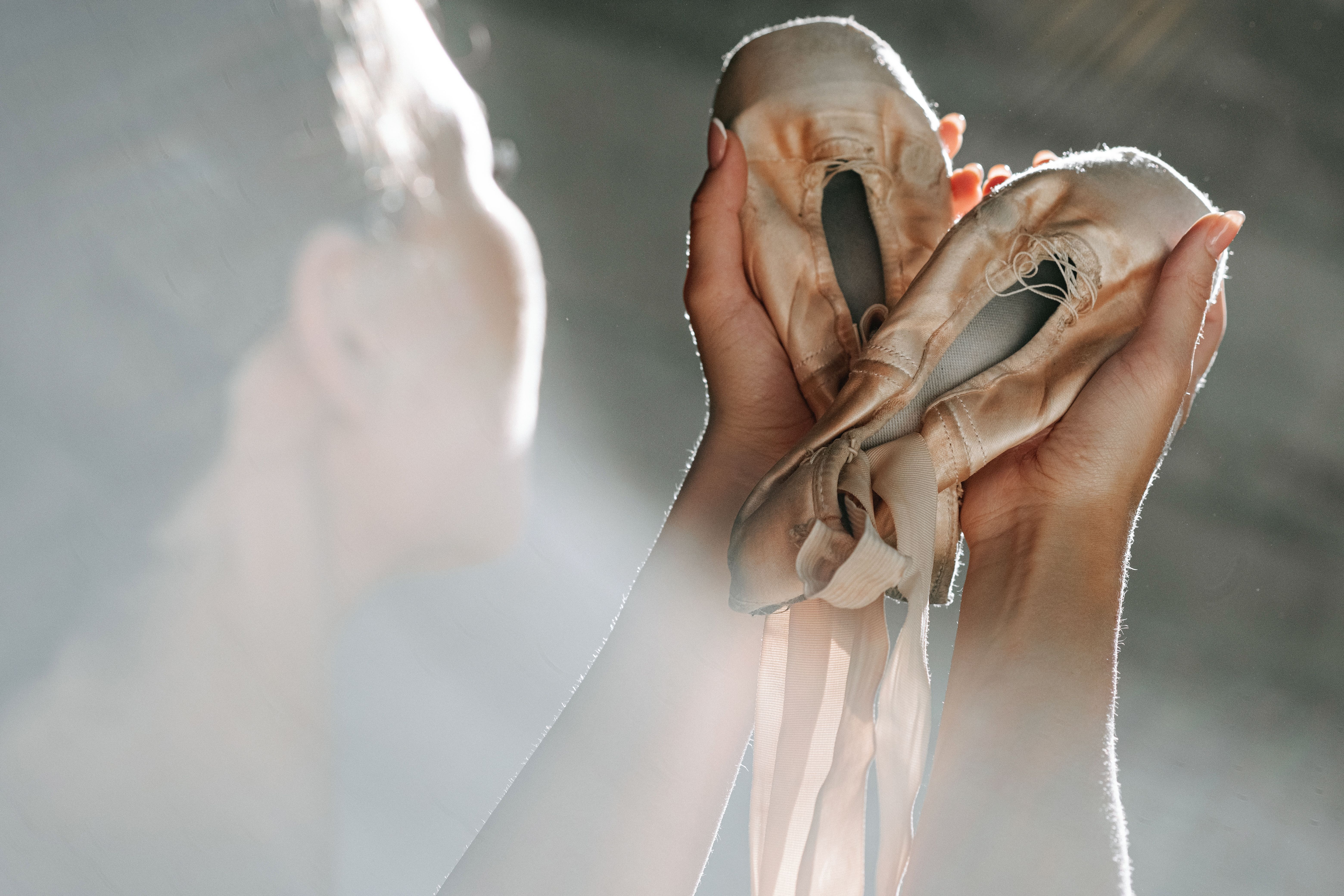
The box of a pointe shoe is built to support you, not to cushion you. Every time you rise onto pointe, your toes press into a hardened shell of fabric, paper and glue. Toe pads sit between your toes and that box, spreading pressure more evenly and reducing rubbing that leads to blisters and bruised nails. Toe pads for pointe shoes come in three main types: gel, fabric and lambswool. Each one changes how the shoe feels, how much you sense the floor, and even how the shoe fits. Here’s how they compare.
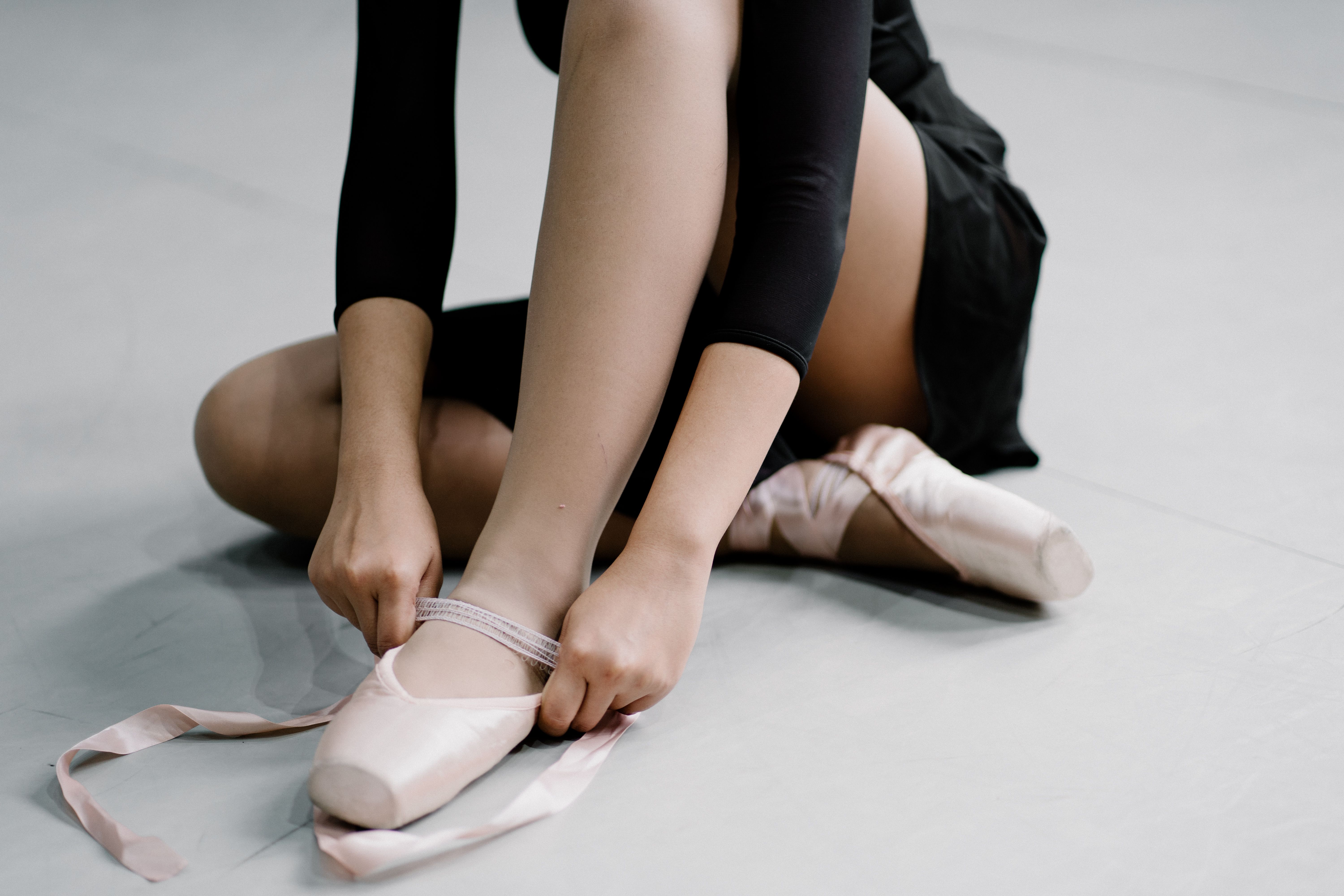
Why Your Choice of Pointe Shoe Padding Matters
Padding takes up space inside the shoe. A thick gel pad can make a shoe feel half a size smaller, while a thin fabric pad barely changes the fit. That’s why we recommend choosing your toe pads before your pointe shoe fitting and bringing them with you. Your fitter needs to see the shoe on your foot exactly as you’ll dance in it.
Padding also affects your connection to the floor. More cushioning means more comfort but less sensitivity. Less cushioning lets you feel the floor and work through your feet, but offers less protection. Most dancers adjust the balance as their strength and technique develop.
Gel Toe Pads
Gel pads are the most popular choice, especially for dancers new to pointe. They’re usually a fabric sleeve with a layer of gel or silicone that covers the tops and tips of the toes.
Pros: Gel offers the most cushioning and holds its shape well over time. Most gel pads are washable and reusable, so they last much longer than lambswool.
Cons: Gel can feel warm during long classes. Thicker styles reduce how much you feel the floor, and they take up more room in the shoe.
The Bunheads Ouch Pouch Pointe Gel Pad and the Pillows for Pointe Super Gellows Pointe Pad are both full-coverage gel options. If only one or two toes need extra protection, individual gel caps like Bunheads Jelly Tips can be used on their own or under a thinner pad.
Fabric Toe Pads
Fabric pads are thinner and lighter. Some are fabric only. Others have a very light layer of gel sewn between two pieces of fabric.
Pros: Fabric pads let you feel the floor and articulate through your feet. They breathe better than full gel and take up less space, which helps dancers with wider feet or shoes that already fit snugly.
Cons: They offer less cushioning, so they may not be enough for sensitive toes or long rehearsal days.
The Bunheads Pro Pad Pointe Cushion has a light layer of gel inside fabric and no gel under the foot. It’s suited to dancers who prefer minimal padding or have wide feet. For something in between, the Pillows for Pointe Reversible Pointe Pad has fabric on one side and gel on the other, so you can switch depending on how your feet feel that day.
Lambswool
Lambswool is the traditional option and is still used by many professional dancers. It comes loose, and you wrap it around your toes or pack it into gaps in the shoe.
Pros: Lambswool moulds to the shape of your foot and lets you add padding exactly where you need it. It’s inexpensive and works well for filling small gaps, such as between the big toe and second toe.
Cons: It compresses with wear and needs to be replaced often. It can also shift or bunch during class if it isn’t wrapped carefully.
You can find Lambs Wool in our pointe shoe accessories section.
Which Toe Pads Should You Choose?
- New to pointe: Start with a gel pad. It’s forgiving while your feet build strength and calluses.
- Experienced dancers: Many move to a thinner fabric pad or lambswool for more floor contact.
- Wide feet or snug shoes: Look for a low-profile fabric pad.
- Gaps between toes: Add lambswool or a spacer alongside your main pad.
- Sensitive toes or long rehearsals: Choose full-coverage gel.
There’s no single best toe pad for pointe. The right choice depends on your feet, your shoes and what your teacher recommends.
Helpful Extras
Toe pads for pointe shoes work best alongside a few small accessories:
- Bunheads Toe Tape protects hot spots before blisters form.
- The Bunheads Big Toe Cover adds targeted protection where pressure is highest.
- Bunheads Super Spacers help with toe alignment and bunions.
- The Bunheads Pinky Pad protects the little toe from rubbing.
Caring for and Replacing Your Toe Pads
Hand wash gel and fabric pads in mild soap and let them air dry completely before your next class. Damp pads can soften your shoes and irritate your skin. Replace pads once the gel thins out, the fabric tears, or you notice new pressure points. Lambswool should be refreshed whenever it feels flat.
If your padding is new but you’re still uncomfortable, the problem may be the shoes themselves. Read our guide to the 5 signs it’s time to replace your pointe shoes, or see our tips on choosing your first pair of pointe shoes.
Book a Pointe Shoe Fitting or Order Online
The best way to choose toe pads for pointe shoes is to try them with your shoes on. At Harlequin The Dance Store, our fitters can help you compare padding options during your fitting. Appointments are required for first-time pointe shoe fittings. Call 204-943-6400 or visit us at 375 Hargrave St, Winnipeg.
Already know what you need? Order your toe pads and pointe shoe accessories online. We ship Canada-wide on all orders of $150 or more.