
Your dance shoes work hard. They carry you through hours of barre work, tap combinations, and jazz runs, and if you treat them right, they’ll last significantly longer and perform better while doing it. Here’s how to clean and care for the three pairs of dance shoes you likely wear most, so you get the most out of every pair.
Ballet Shoes
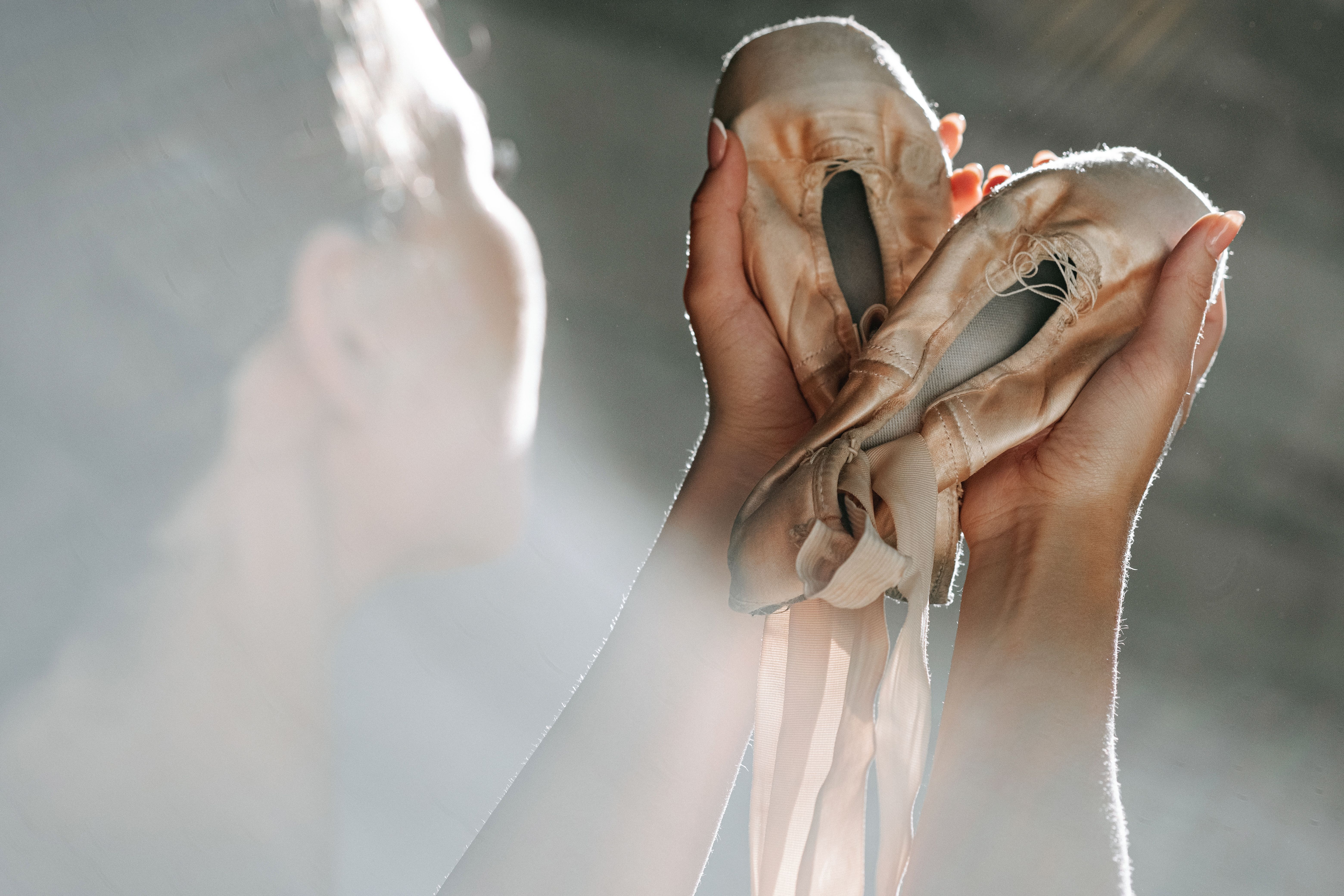
Ballet shoes take a beating in ways that aren’t always visible. Sweat, rosin, and studio floor dust all break down the material over time — whether you’re wearing leather, canvas, or satin.
Leather ballet shoes are the most forgiving to clean. Wipe them down after each class with a slightly damp cloth to remove surface dirt and sweat. Let them air dry completely before storing. Never leave them balled up in a bag while still damp! For deeper cleaning, a small amount of leather cleaner or mild soap on a soft cloth works well. Avoid soaking them or putting them near a heat source to dry, as this will cause the leather to crack and stiffen.
Canvas ballet shoes can handle a bit more. Many dancers machine wash them on a gentle cold cycle inside a mesh laundry bag. Skip the dryer though! Make sure to air dry flat or stuff them lightly with paper towel to help hold their shape. Washing too frequently will break down the elastic, so spot cleaning is better for everyday maintenance.
Satin ballet shoes (sometimes worn for performances) are the most delicate. Spot clean only with a very lightly damp cloth and allow to air dry. Avoid rubbing, which can snag or dull the fabric. These aren’t built for the long haul, treat them as performance-only and store them separately from your class shoes.
For all ballet shoes: rotate between two pairs if you can, and always allow them to fully air out between wears. A small mesh bag or ventilated shoe bag makes a big difference.
Tap Shoes
Tap shoes have the added complexity of metal taps, which means rust and grime are your two main enemies.
Tap shoe exterior care can be handled after class by wiping down the exterior of the shoe (leather or patent) with a dry cloth. For leather tap shoes, a light application of leather conditioner every few weeks keeps the material supple and prevents cracking. Patent leather (common in children’s tap shoes) just needs a quick wipe with a slightly damp cloth and it shines back up easily.
The taps themselves need attention too. If you notice the screws starting to loosen, tighten them before they fall out mid-class, or worse, mid-performance. Check them regularly, especially if you’re dancing on hardwood floors, which vibrate the screws loose faster than sprung floors.
Moisture is tap shoes’ biggest enemy. Never pack them away wet. If your feet sweat heavily, stuff the shoes with newspaper or a deodorizing shoe pouch after class to absorb moisture and odour. Deodeorizing pouches are worth the few dollars! They extend the life of the shoe noticeably.
Store tap shoes in a bag that protects the taps from scratching other shoes or gear, but make sure there’s airflow. A rigid shoe box or individual shoe bags work well.
Jazz Shoes
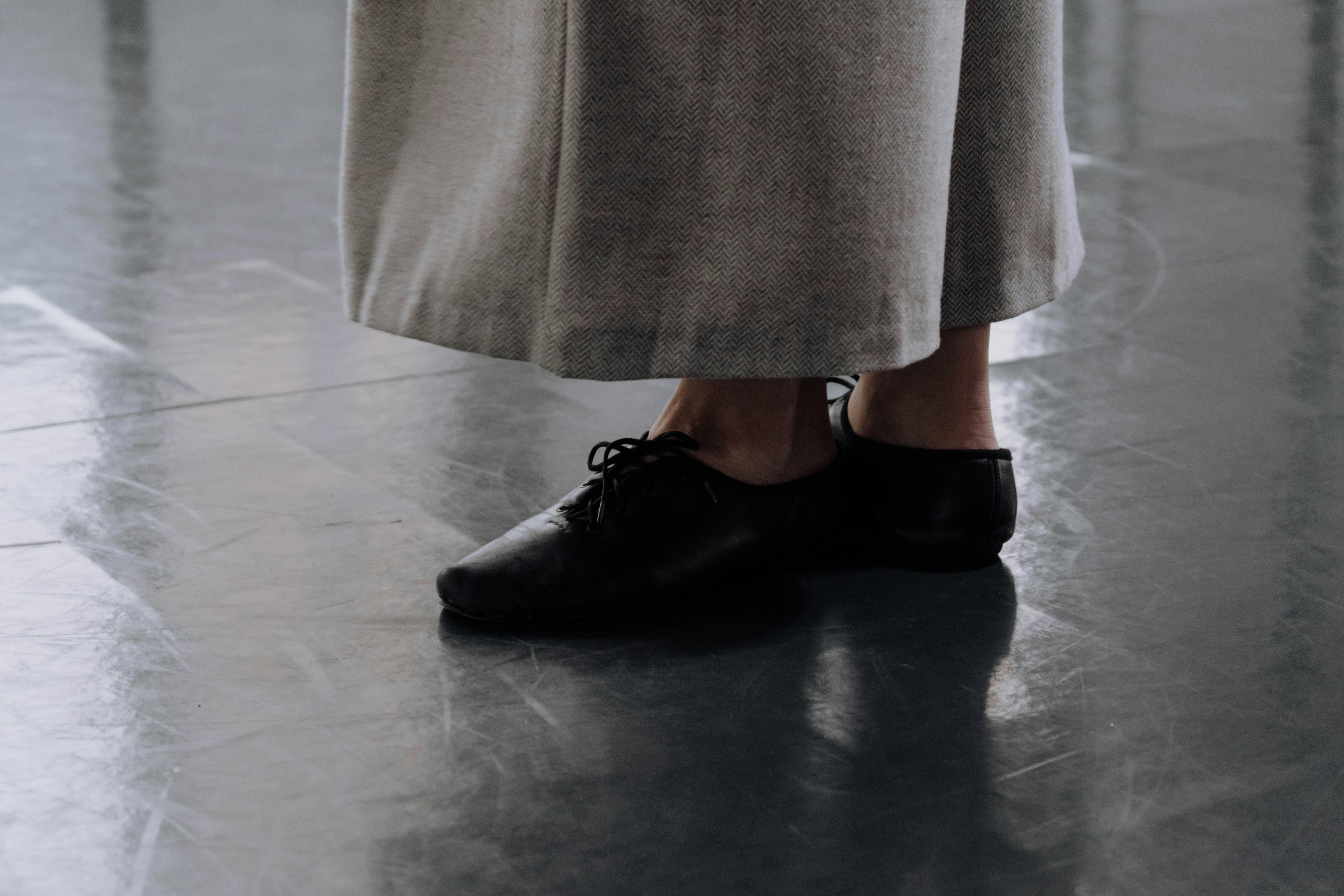
Jazz shoes come in leather, synthetic leather, and canvas, and each behaves a little differently.
Leather jazz shoes clean up similarly to leather ballet shoes: a damp cloth after class for surface dirt, and a mild cleaner for deeper grime. Leather conditioner applied occasionally keeps the material from drying out. Pay attention to the split sole area, which accumulates a lot of flex-point dirt and can deteriorate faster if ignored.
Canvas jazz shoes can generally be hand-washed or machine-washed on a gentle cycle, similar to canvas ballet shoes. Cold water only, and always air dry.
For all jazz shoes: the rubber sole is what gives you grip and control, so check it regularly for wear. A sole that’s worn smooth, lost “tread” as it were, affects your technique more than you’d think. If you’re slipping during turns or losing traction on leaps, a new pair of jazz shoes may be in order.
A Few General Rules for All Dance Shoes
- Air out after every class. Moisture destroys shoes faster than dirt does and creates strong odours and harmful bacteria.
- Never wear dance shoes outside. Even a short walk on pavement or concrete wears down the sole considerably and picks up debris that scratches studio floors.
- Store properly. A breathable bag or open box beats a sealed bag every time.
- Replace when it’s time. A worn-out shoe affects your technique and risks injury. If the sole is gone, the support is compromised, or the structure has collapsed — it’s time for some new shoes.
Taking a few minutes of care after each class adds months (sometimes years) to the life of your shoes! Plus, it keeps your feet happier and healthier in the process.
Want to explore specific brands or find the right pair for your style? Browse our full selection of dance shoes at The Dance Store. With Canada-wide Free Shipping on all orders over $150, you can stock up on your supply and make sure you or your child has the dance shoe inventory needed.